

My trip home did not go quite as planned. On Friday, November 13 to Saturday November 14, I was caught up in the ground stop and for a while it was stressful not knowing whether I would have a seat back home since I was on the Standby List. Rather than only watching the departure board, I used the time to review my notes and write about the week. Sitecore Symposium 2026 took place November 10–12 in Orlando, bringing together the Sitecore community, customers, partners, marketers and developers under one theme: Marketing Rewired. For me, the most interesting part of Symposium was seeing how the conversation around AI has evolved.
For the past couple of years, AI has largely been discussed in terms of generating content, improving productivity and automating repetitive tasks. Those are still relevant but this year’s announcements pointed toward something much broader. What happens when AI becomes part of how customers discover brands, evaluate products and eventually make decisions? And how should the platforms we use every day adapt to that change?
That is where Sitecore’s direction becomes interesting. From MarketingIQ to Scrunch and from AI-powered workflows to new developer capabilities, there was quite a lot to unpack. Here are the announcements and ideas that stood out to me, along with what I think they mean for the Sitecore ecosystem.
I. MarketingIQ: Connecting intelligence with execution
One of the biggest announcements was the introduction of Sitecore MarketingIQ, unveiled on November 11. At a high level, MarketingIQ introduces contextual intelligence and AI-agent orchestration into SitecoreAI. That might sound like another AI feature at first but the underlying idea is more interesting.
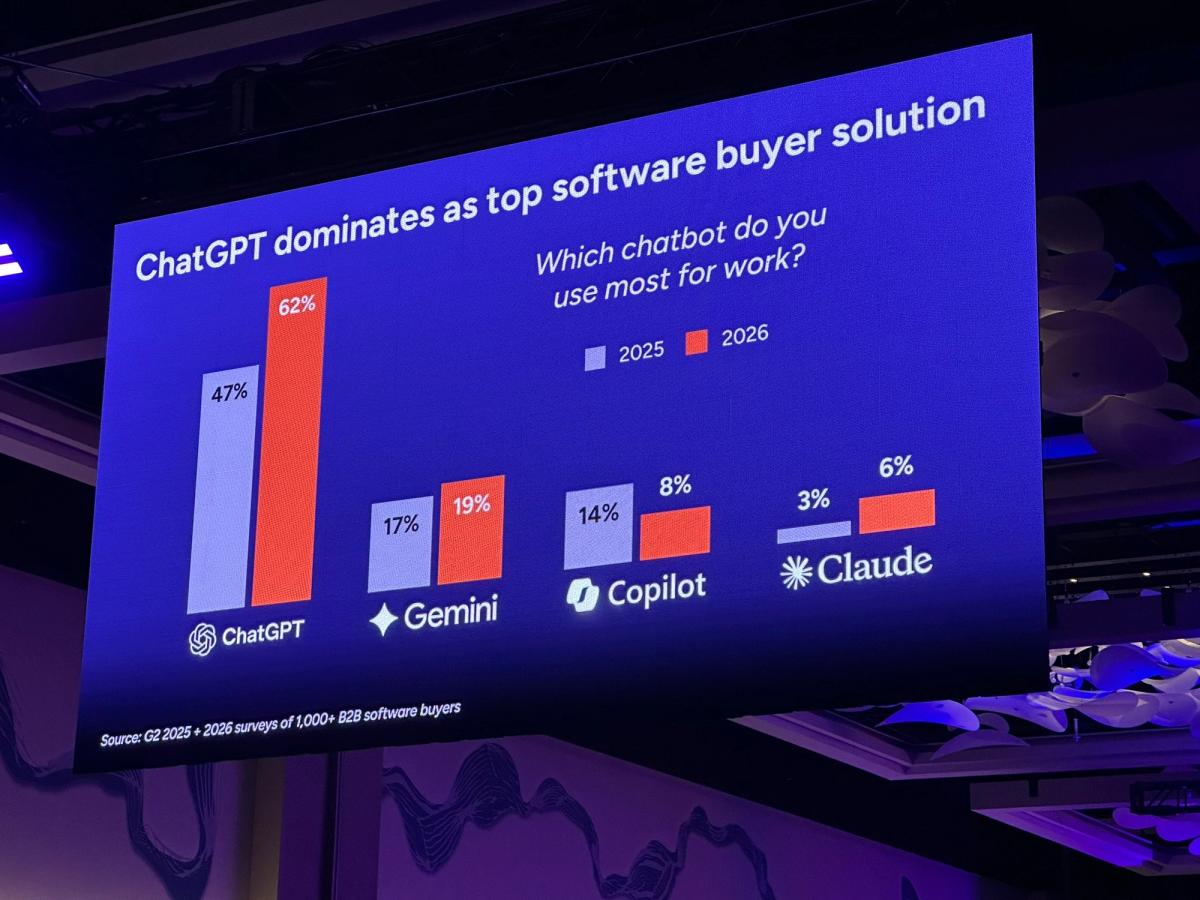
Imagine your marketing team discovers that a competitor is being recommended by ChatGPT for a particular product category, while your own brand is missing from the answer. Traditionally, someone would investigate the issue, review the existing content, identify gaps, coordinate with the content team and eventually publish improvements.
MarketingIQ aims to connect those activities. It can take a business objective or an identified opportunity, examine approved brand knowledge, identify relevant content, propose changes and coordinate the work required to move forward. The important distinction is that marketers remain involved in reviewing and approving the output.

Why this matters
What caught my attention was the move away from treating AI as just a content-generation assistant. Sitecore is positioning MarketingIQ as something that can help connect an insight to a meaningful business action. It is also part of SitecoreAI rather than a separately purchased standalone product.
That raises an interesting question for existing Sitecore customers: how much of their current marketing workflow can become more connected without requiring a complete redesign of their technology stack? The answer will depend on their existing products, integrations and governance requirements.
II. Scrunch: Understanding how AI sees your brand
Another major focus was Scrunch. Sitecore acquired Scrunch in June 2026 and Symposium gave us a clearer picture of how its capabilities fit into Sitecore’s wider strategy. Most of us are familiar with SEO. We optimize websites so search engines can discover, index and rank our content. But what happens when someone asks ChatGPT, Gemini or Perplexity for a recommendation instead of browsing traditional search results?
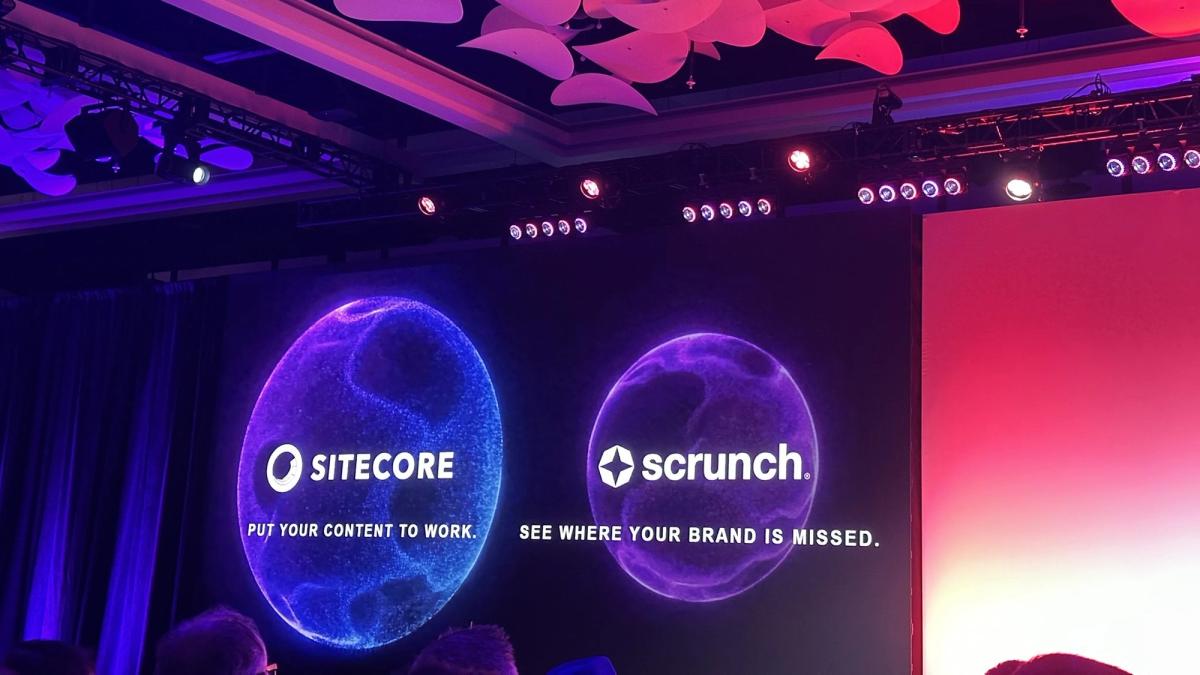
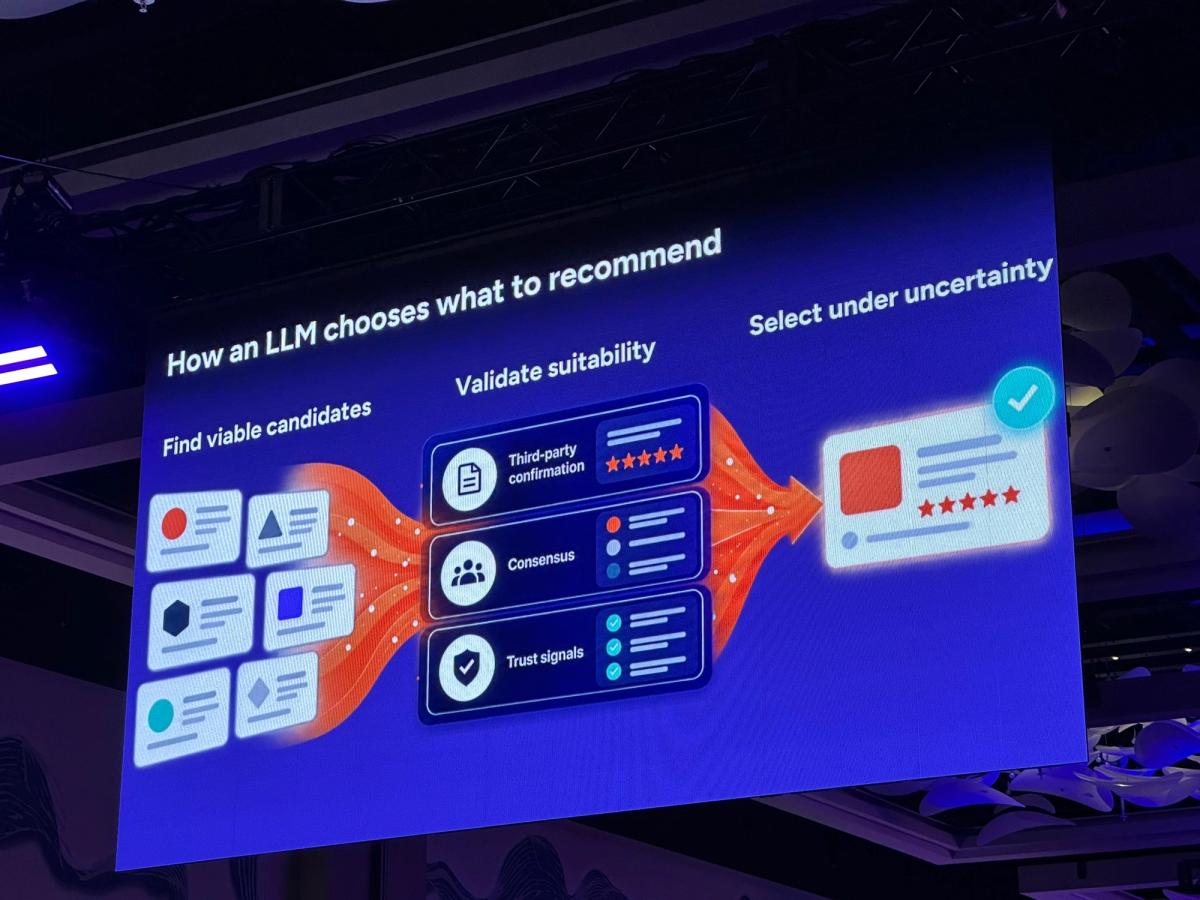
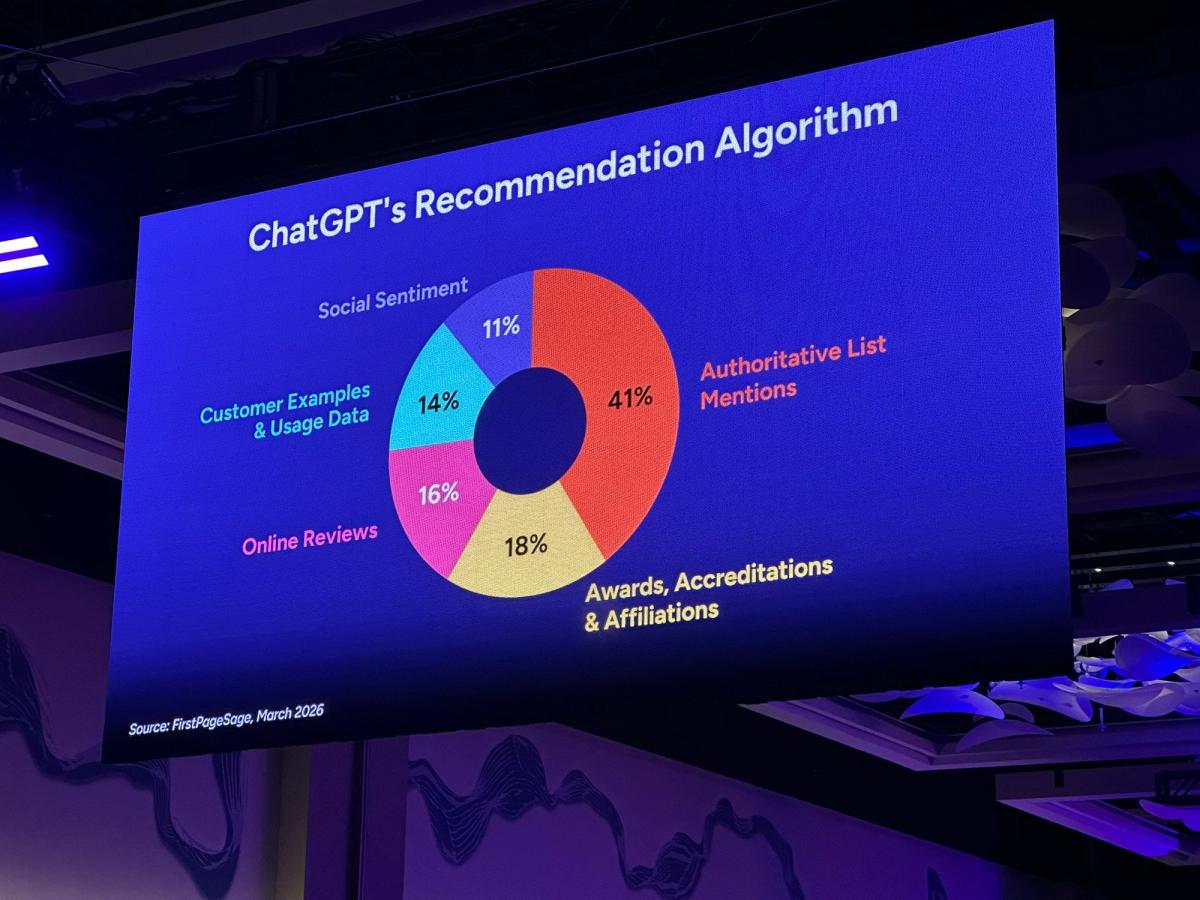
The response might mention your company, recommend a competitor, reference outdated information or completely overlook your brand. Scrunch helps organizations understand that visibility. It monitors how brands appear in AI-generated responses, identifies opportunities for improvement and provides insights into the sources influencing those responses.
This is particularly relevant because traditional website analytics cannot fully explain what happens inside an AI-generated conversation.
Citation Optimization
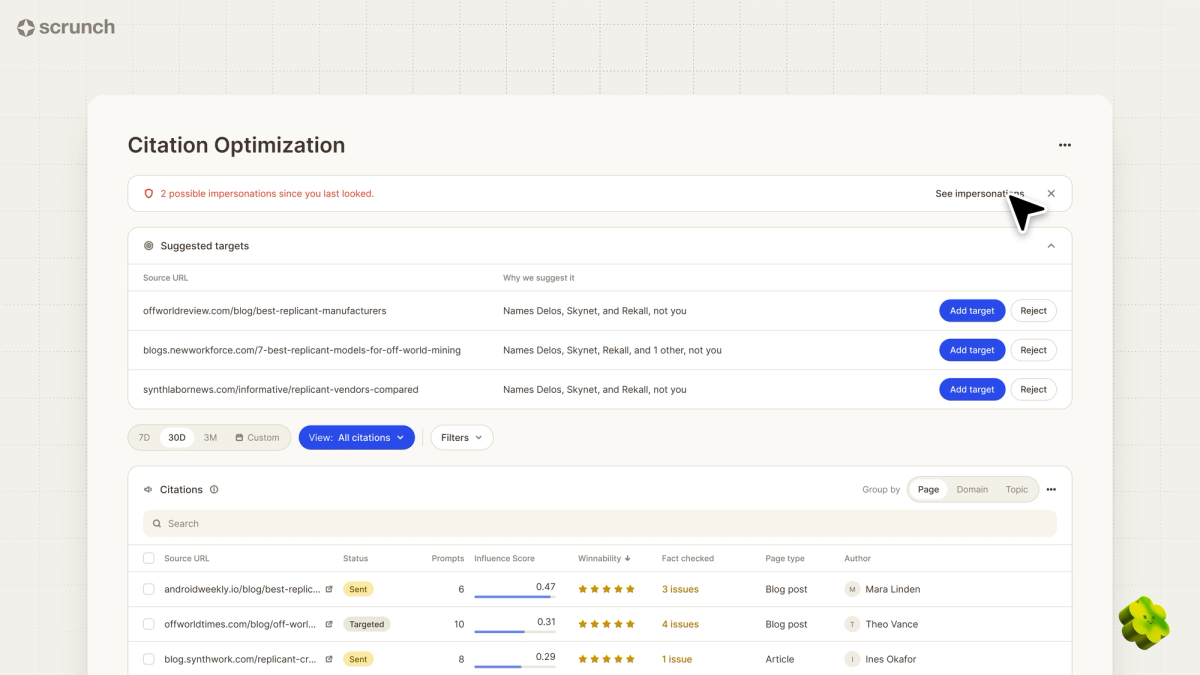
On November 12, Scrunch announced Citation Optimization. This extends AI visibility analysis beyond a brand’s own website. For example, suppose an AI assistant consistently references a third-party comparison article when recommending software products.
Scrunch can help identify that source, understand its influence and highlight whether a brand is missing while its competitors are being mentioned. The marketing team can then consider outreach, content improvements or other appropriate ways to strengthen its presence. I find this especially interesting because it expands the conversation from optimizing our own websites to understanding the wider information ecosystem that influences AI-generated answers.
Of course, identifying an influential source does not guarantee that a publisher will mention a brand or that an AI platform will recommend it.
Imposter Detection
Scrunch also introduced Imposter Detection, addressing a different problem: websites impersonating legitimate brands. Its research found that 17% of Fortune 500 companies had an impostor website cited in AI answers across the platforms studied. That is a significant concern.
AI discoverability is not only about visibility and competitive positioning. It is also about trust, brand integrity and ensuring customers are not directed toward misleading sources.
III. Agent Experience: Building for humans and AI agents
Another concept that deserves attention is the Agent Experience Platform or AXP, from Scrunch.
We have spent years building websites for people, focusing on navigation, responsive design, accessibility and user experience. Those requirements remain essential. However, AI agents are becoming another type of consumer of website information.
An agent might need to understand product specifications, pricing, availability or service information without interacting with the website in the same way as a human visitor. Scrunch’s Agent Pages capability is designed to provide AI-readable content to verified agents while preserving the experience intended for human visitors.
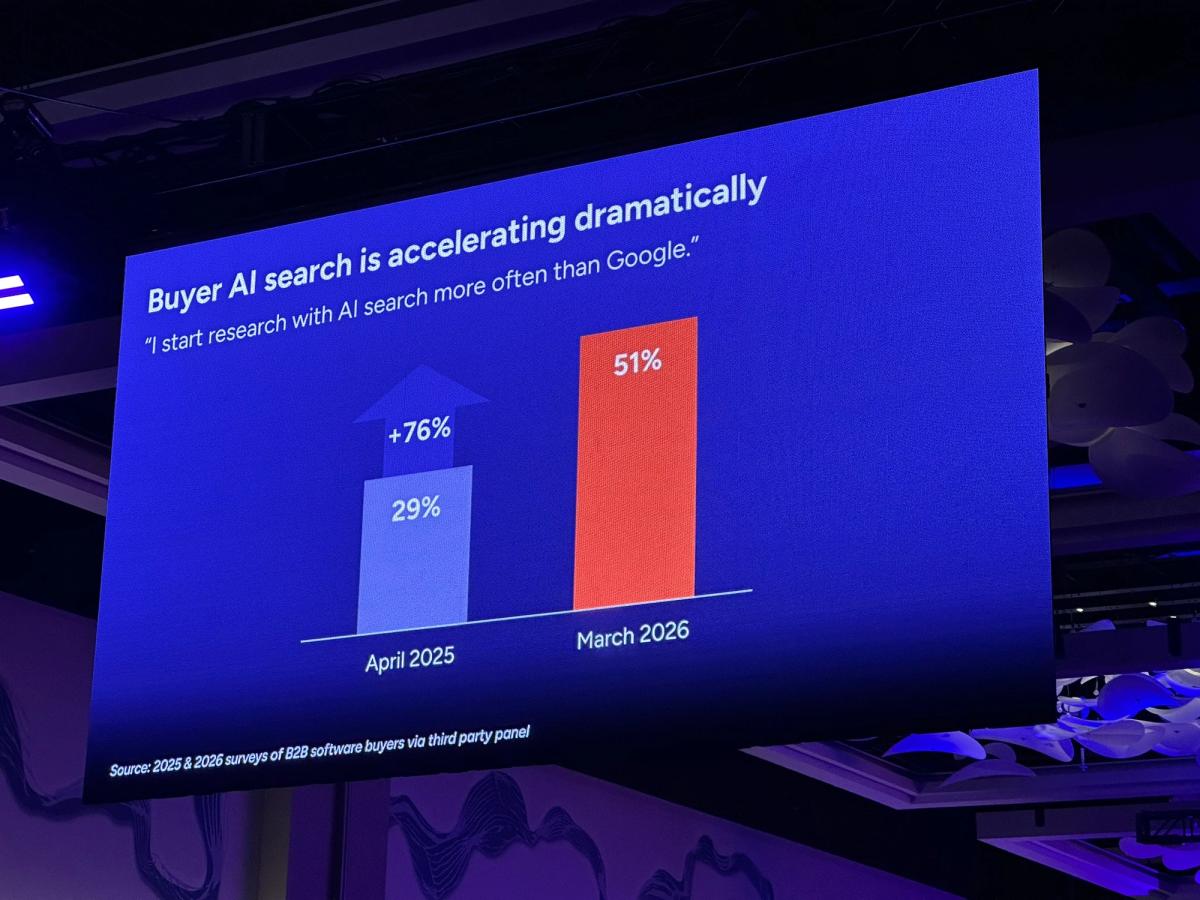
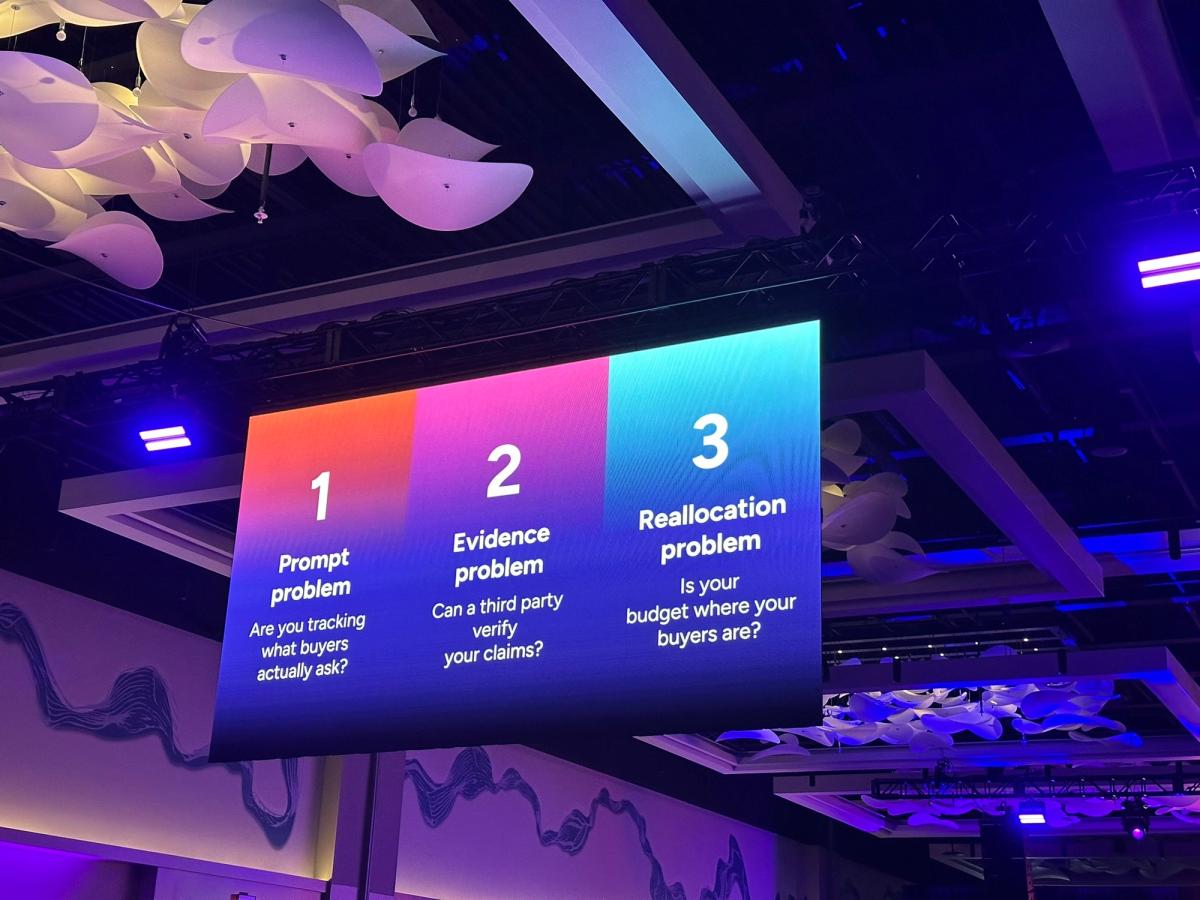
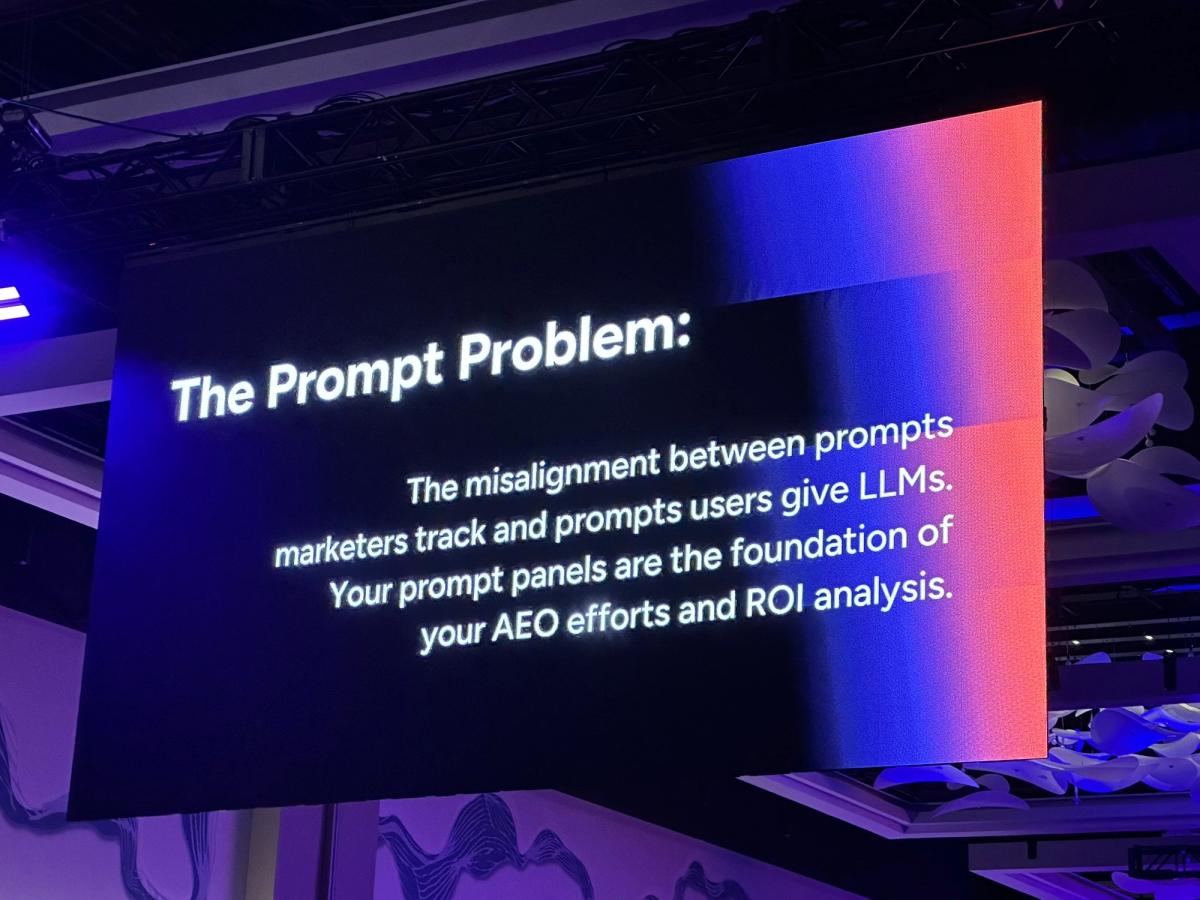
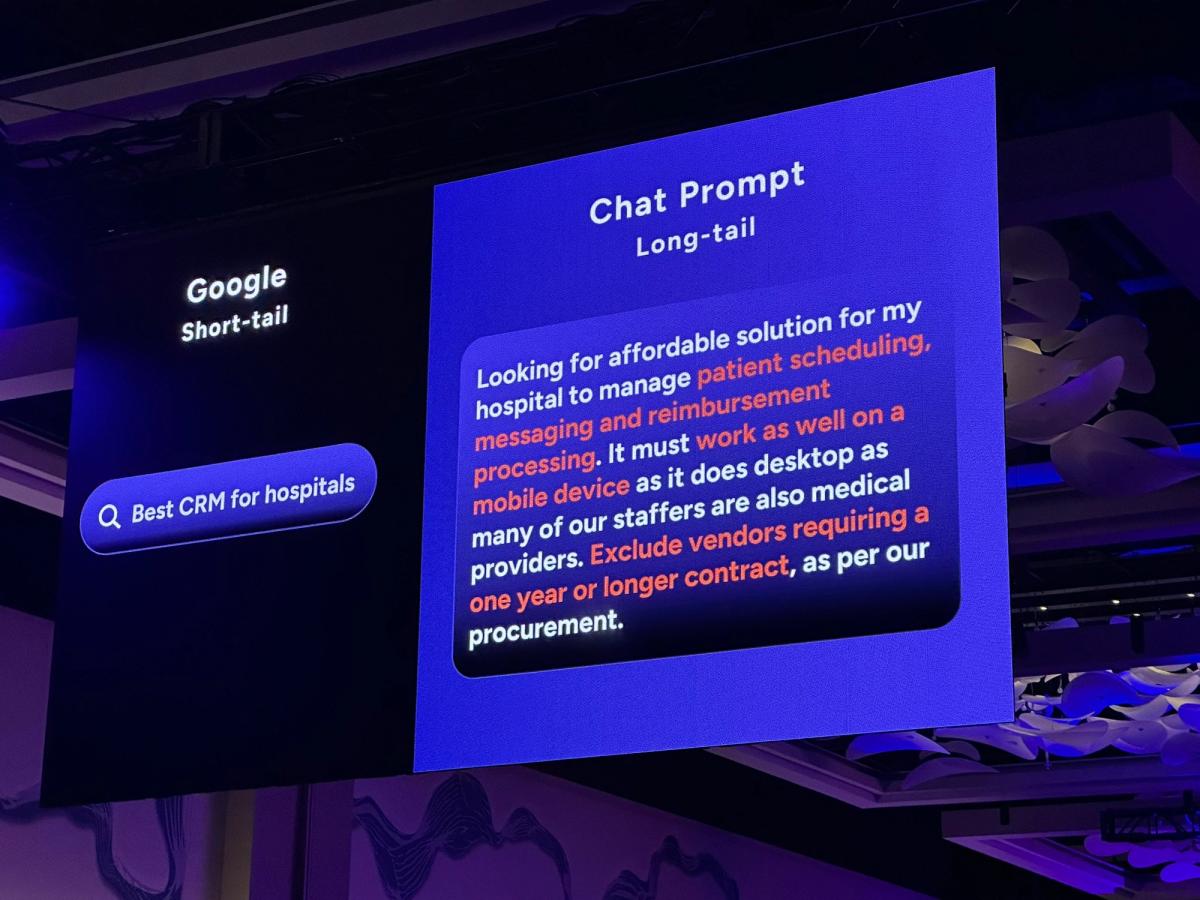
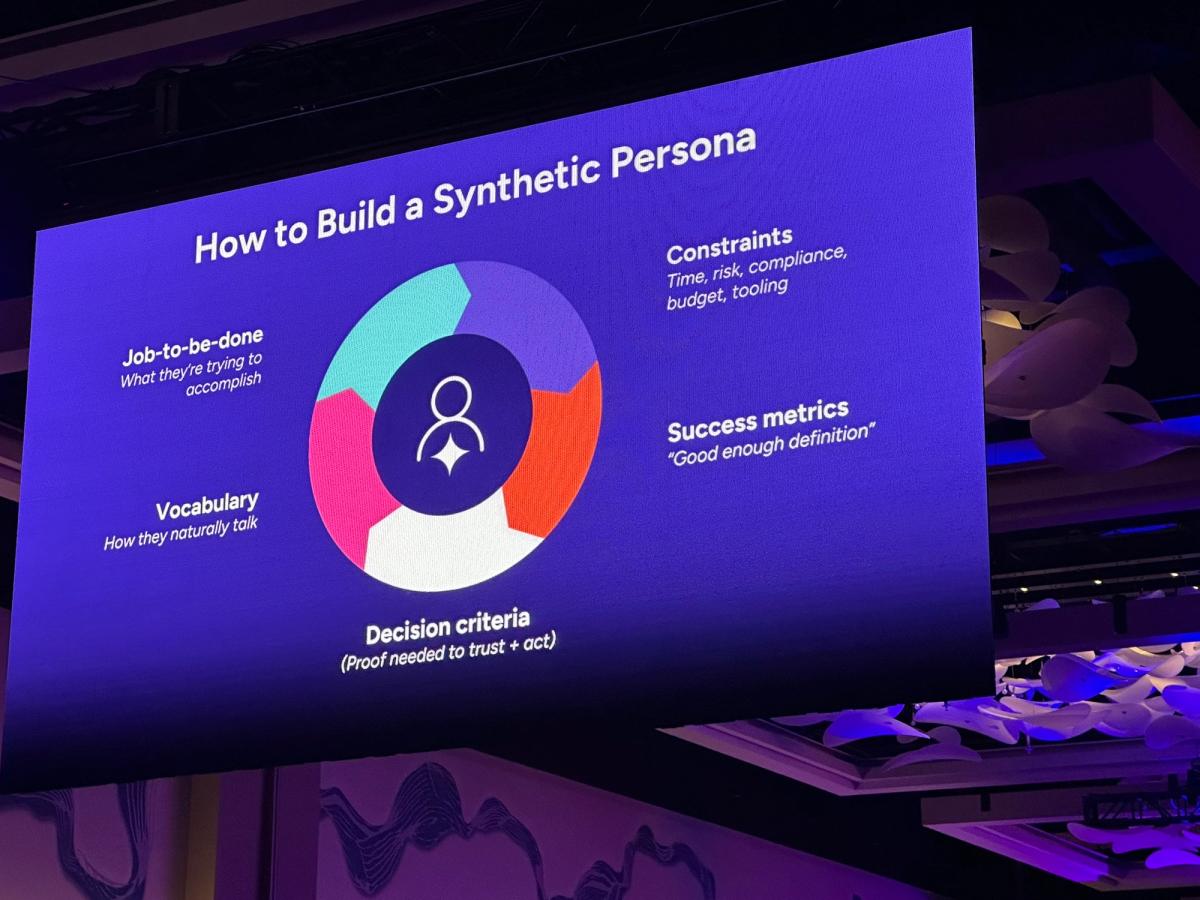
This introduces a new dimension to content delivery. The challenge is no longer simply making information accessible through a website. It is also making sure automated systems can understand accurate, approved information. I don’t see this as a replacement for traditional web development or SEO. Instead, it adds another consideration to how we structure and deliver digital experiences.
IV. Developer tooling: MCP and AI-assisted workflows
For developers, another interesting area is Sitecore’s continued investment in the Model Context Protocol, commonly known as MCP. MCP provides a standardized way for AI applications to interact with tools and external systems.
The Sitecore Developer MCP server entered beta in November 2026. This is particularly relevant to developers working with AI coding assistants. Rather than relying entirely on manually supplied descriptions of a Sitecore implementation, compatible development tools can potentially work with authorized information about content structures, components and content items. Think about the possibilities for tasks such as understanding a content model, preparing components or accelerating routine development activities.
However, there is an important difference between giving an AI assistant access to contextual information and allowing it to modify production content. Permissions, validation, change review and environment separation remain essential.
For me, this is one of the areas worth exploring further through hands-on experimentation rather than relying only on demonstrations.
V. SitecoreAI, DAM and the importance of content governance
AI can generate a large amount of content quickly. But producing more content is not necessarily the biggest challenge for enterprise organizations. The real difficulty is often knowing which content is correct, current, approved, reusable and suitable for a particular audience.
That makes digital asset management and content governance increasingly important. Sitecore’s announcements emphasized closer connections between content operations, approved assets and AI-driven workflows. This is where the relationship between SitecoreAI CMS, SitecoreAI DAM and MarketingIQ becomes meaningful.
An AI-generated campaign should not need to reinvent every product description, visual asset or brand message. Ideally, it should start with what the organization already knows and has approved. I think this is one of the less flashy but more important parts of the AI conversation.
Without reliable content and clear governance, even sophisticated automation can produce inconsistent or inaccurate results.
VI. A changing approach to measuring digital discovery
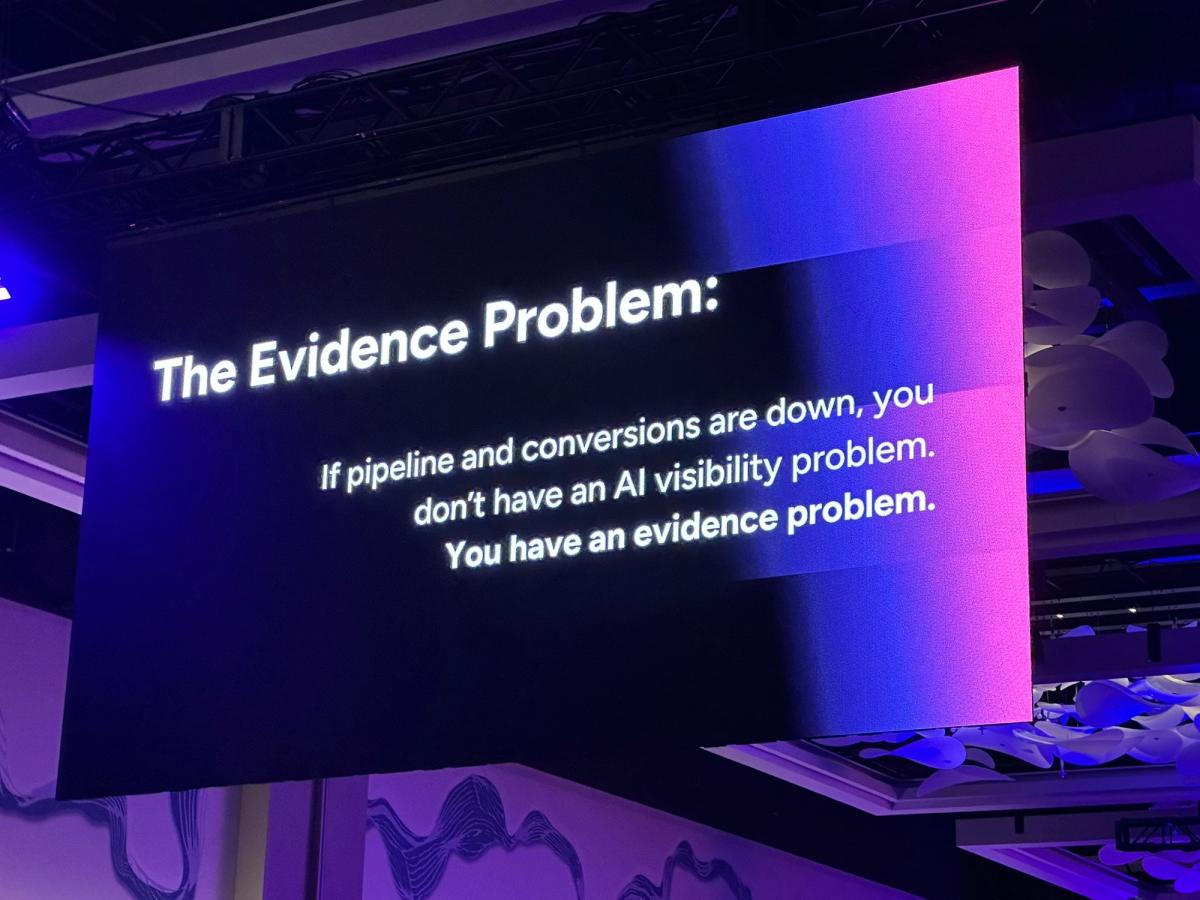
One of the research findings presented around Symposium deserves particular attention. ScrunchLabs reported that more than 40% of observed AI assistant sessions involved neither an open-web search beforehand nor a click to the open web afterward.
That suggests a substantial portion of discovery activity can happen without the familiar website visit. If someone asks an AI assistant to compare products, receives a recommendation and makes a decision later, conventional website analytics might capture only part of that journey.
This creates a measurement challenge. Organizations may need to consider AI visibility, brand mentions, citation sources, assisted discovery and downstream conversions alongside established SEO and analytics metrics. However, measuring an AI mention and proving that it caused a sale are two different things. That distinction is important, especially when evaluating claims about AI-search optimization.
Final thoughts
Marketing is being rewired but fundamentals still matter. If I had to summarize the direction coming out of Sitecore Symposium 2026, it would be this:
The focus is shifting from simply creating digital experiences to understanding how people and AI agents discover those experiences and acting on that intelligence.
MarketingIQ brings the orchestration layer. Scrunch contributes AI discovery insights. SitecoreAI provides the broader content and experience foundation. Together, they present a compelling direction for the platform. What I am most interested in now is seeing how these capabilities perform in real-world scenarios, especially for organizations with existing Sitecore implementations and complex content operations. There is a lot to explore and I suspect this is only the beginning of how AI will reshape the Sitecore ecosystem.
Some References
Sitecore
- Sitecore Symposium 2026: Marketing Rewired (official event site)
- Sitecore acquires Scrunch to help brands influence discovery and buying decisions (Sitecore newsroom, June 2026)
- Sitecore Developer MCP server (Sitecore documentation)
- Sitecore Developer MCP server released in beta (Sitecore changelog, November 2026)